

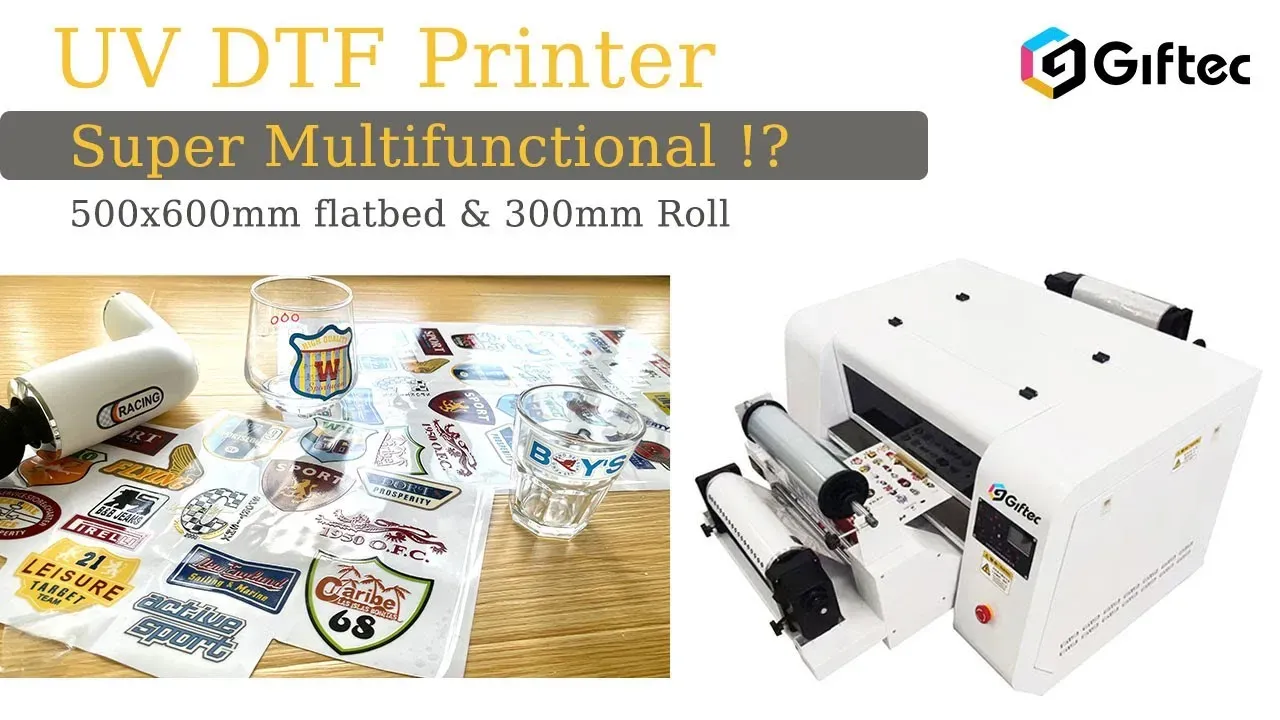
UV DTF transfer substrates are the cornerstone of vibrant color, strong adhesion, and durable finishes across fabrics and plastics, influencing how inks spread, how edges hold under flex, and how colors stay true through wear. Choosing compatible substrates helps maximize color accuracy, ink holdout, and wash-fast performance in DTF projects, while careful material choice also reduces texture transfer, linting, and surface cracking during curing. For many applications, the best fabrics for DTF transfer balance softness with surface smoothness to preserve details. DTF printing on plastics expands use cases, but requires proper surface preparation and primer systems for durable adhesion. By testing swatches and tuning curing parameters, you can achieve vivid images and reliable performance across substrates, ensuring consistency across production runs and varied lighting environments.
In LSI terms, the topic expands to a family of substrate options that pair well with UV-curable inks for stable, vibrant prints. Alternative terms you might encounter include UV-coated media, pretreated textiles, and print-ready films that support reliable adhesion. Key considerations include surface energy, coating compatibility, and primer systems that boost image holdout without compromising feel or flexibility. Color strength, edge fidelity, and wash durability can be optimized by matching the ink formulation to the substrate class and by tuning cure settings. Viewed through an SEO lens, this broader semantic approach helps content readers discover practical guidance across fabrics, plastics, and other print-ready surfaces.
UV DTF transfer substrates: How Material Choice Impacts Color, Adhesion, and Longevity
Choosing the right substrate is a foundational step in UV DTF transfers because it directly influences color reproduction, adhesion strength, durability, and wash-fastness. Different materials interact with UV-curable inks in distinct ways, making surface energy, texture, and finishing coatings critical considerations. A well-matched substrate can maximize ink holdout and pigment clarity, while a mismatched one can lead to color dulling, edge cracking, or premature wear.
Understanding substrate compatibility helps guide decisions from the start. This involves evaluating natural versus synthetic fibers, surface smoothness, color of the base fabric, and any pretreatments or coatings that may enhance or inhibit bonding. In practice, systematic swatch testing and controlled curing profiles are essential to map out reliable performance across typical end-use environments, such as frequent washing or exposure to sunlight.
Fabrics for UV DTF Printing: The Best Fabrics for DTF Transfer and Color Holdout
When selecting fabrics for UV DTF printing, the balance of absorbency, hand feel, and surface smoothness determines how vividly the design prints and how well it holds after curing. The discussion often centers on cotton and cotton blends, which provide strong color uptake and a soft hand, especially on white or light-colored bases that preserve brightness and detail. Testing several swatches helps identify the best fabrics for DTF transfer for a given design and garment type.
Fabrics for UV DTF printing also include synthetic options like polyester, which can deliver exceptionally vibrant colors and good durability with proper curing and backing. Be mindful of fabric finishes—moisture-wicking or chemical treatments can affect adhesion, so pretreatments or adhesive layers may be necessary. Whether you choose 100% cotton, a cotton blend, or a polyester-based fabric, a small swatch program is key to optimizing color accuracy and edge fidelity in the final product.
DTF Printing on Plastics: Optimizing Adhesion on PET, PC, ABS, and More
Plastics expand UV DTF capabilities beyond textiles, but they introduce adhesion challenges due to varying surface energies and finishes. PET, polycarbonate, ABS, and acrylic are common plastics with favorable clarity and durability when properly prepared. Surface treatment steps such as corona, plasma, or chemical primers are often essential to raise surface energy and promote reliable ink adhesion, helping to prevent issues like lifting or cracking after curing.
In addition to surface preparation, selecting compatible primers or MET layering can improve film-to-substrate bonding on plastics. Printing on PET or PC can yield excellent results for promotional items and hard goods, provided the surface is free of oils and dust and the curing process is carefully tuned to avoid scorching at the edges. Acrylic and PVC offer distinct advantages for clear or opaque backgrounds, respectively, and should be tested alongside other plastics to confirm long-term adhesion and wash durability.
UV-curable Inks for DTF: Curing Profiles, Ink Holdout, and Substrate Effects
UV-curable inks for DTF bring rapid cure times and strong adhesion, but their performance is closely tied to substrate chemistry and curing parameters. A well-tuned curing profile ensures complete crosslinking, minimizes edge wear, and preserves fine details. Adjusting lamp power, exposure duration, and cooling intervals helps prevent issues such as under-curing, which can weaken adhesion, or over-curing, which can cause cracking or stiffness.
Ink holdout and substrate interaction are critical for vibrant color reproduction. Different substrates—whether fabrics or plastics—respond uniquely to UV-curable formulations, so it’s important to select an ink family designed for your target material. With appropriate pre-treatments and primers when needed, UV-curable inks can deliver durable, wash-fast prints with crisp edges and strong color density across a range of substrates.
DTF Substrate Compatibility: Testing Protocols, Pre-Treatment, and Real-World Performance
DTF substrate compatibility hinges on a disciplined testing protocol that simulates real-world conditions. Start with representative swatches from each candidate substrate, recording curing times, lamp intensity, and the resulting adhesion and color density. Track how well the print withstands washing, abrasion, and UV exposure to identify any material-specific limitations before scaling production.
Pre-treatment compatibility is a key part of the validation process. Some fabrics require UV-specific pre-treatments that balance ink holdout with softness and hand feel, while plastics may need primers or protective coatings. By validating these steps across a matrix of fabrics and plastics, printers can map clear guidelines for substrate selection that optimize DTF substrate compatibility across product lines.
Practical Guidelines for Substrate Selection and Quality Assurance
Practical substrate selection starts with end-use requirements: wearability, wash durability, and exposure to sunlight all influence the choice between fabrics and plastics. Consider color and finish needs, surface treatments, and curing capability when narrowing options. Implement a simple testing loop that compares a few representative substrates under typical production conditions to identify the best overall fit.
Quality assurance should extend from initial swatch testing to ongoing batch checks. Maintain documentation of substrate types, pretreatment choices, curing settings, and observed performance over multiple production runs. Regularly revisit ink formulations and curing equipment specifications to ensure consistent adhesion, color fidelity, and durability across evolving product lines.
Frequently Asked Questions
What are UV DTF transfer substrates and how do they affect adhesion and color on fabrics?
UV DTF transfer substrates refer to the range of materials that receive a UV-cured DTF print. The substrate choice directly impacts color reproduction, adhesion, and durability. For fabrics, aim for smooth, light-colored bases when possible, test swatches, and apply fabric-specific pre-treatments or adhesives to improve ink holdout and vibrancy.
Which fabrics are considered the best fabrics for DTF transfer when using UV-curable inks for DTF?
The best fabrics for DTF transfer include white or light-colored 100% cotton, cotton blends, and polyester. These materials typically offer good color uptake and stability. For UV-curable inks for DTF, consider pre-treatments to improve adhesion on finishes, and always validate with swatches before production.
DTF printing on plastics: can UV DTF transfer substrates be used effectively on PET, PC, ABS, and acrylic?
Yes, UV DTF transfer substrates can work on plastics such as PET, polycarbonate (PC), ABS, and acrylic, but surface energy must be enhanced. Use corona or plasma treatment or primers, and consider MET layering to improve film-to-substrate adhesion. Ensure proper cleaning and optimized curing to maintain edge sharpness.
How do UV-curable inks for DTF interact with different substrates and what is meant by DTF substrate compatibility?
UV-curable inks for DTF cure quickly and require substrates that accept adhesion and color holdout. DTF substrate compatibility describes how well a substrate works with a given ink system, surface energy, finish, and any required pretreatments or primers. Match the ink system to the substrate and follow manufacturer recommendations for fabrics and plastics.
What steps should be taken to validate UV DTF transfer substrates for a new product line, i.e., testing DTF substrate compatibility?
Start with small swatches on representative fabrics and plastics. Record curing times and lamp power, perform adhesion tests (rub and wash), and evaluate color density and edge fidelity after washing. Adjust pre-treatments, ink layer thickness, or curing parameters as needed and repeat the validation to build a reliable process.
What practical tips optimize adhesion and color accuracy when using UV DTF transfer substrates?
Define end-use requirements first and select substrates with strong colorfastness. Use surface treatments ( corona, plasma, or primers) where needed, choose compatible pre-treatments for the substrate, and tune the curing profile. Run test prints to refine ink layer thickness and consider a protective coating for durability on UV DTF transfer substrates.
| Aspect | Key Points |
|---|---|
| Overview | The substrate you choose affects color reproduction, adhesion, durability, and wash-fastness. UV DTF transfer substrates describe the range of materials that can receive a high-quality UV-cured DTF image. |
| Fabrics for UV DTF Printing | Natural fibers like cotton offer excellent color uptake; white/light fabrics preserve brightness. Cotton blends and polyester fabrics balance softness with color retention. Pretreatment or adhesive layers may be used to improve ink holdout. Testing swatches is essential. |
| DTF Printing on Plastics | Common plastics include PET, polycarbonate, ABS, and acrylic. Surface treatments (corona, plasma, primers) raise surface energy for adhesion; MET layering can enhance bonding. Ensure surfaces are clean and curing is tuned to avoid edge issues. |
| Other Substrates Worth Considering | Canvas, denim, ceramic tiles, and glass can receive UV DTF transfers. Texture, color density, and durability vary; consider end-use and possibly sealing or coatings for longevity. |
| Practical Guidelines | End use, color/finish, surface treatment compatibility, pre-treatment needs, curing profile, and testing on representative swatches. |
| Durability and Care | Proper curing ensures adhesion and wash durability. Follow garment/care guidelines; avoid harsh solvents and abrasion. Durability depends on substrate, ink chemistry, and curing. |
| Testing and Validation | Print small swatches, record curing times and lamp intensity, assess adhesion after washing and abrasion. Iterate pre-treatment, ink layer thickness, and curing to achieve repeatable quality. |
Summary
UV DTF transfer substrates are foundational to achieving vibrant color, sharp details, and durable results in UV DTF printing. By selecting fabrics, plastics, or other materials with appropriate finishes and pre-treatments, designers can optimize adhesion and color accuracy while preserving wash-fastness and long-term durability. The right substrate pairing, combined with proper curing profiles and testing, enables consistent quality across product lines and use cases, from apparel to hard goods.